

As a dev, learning is one of the most wanted skills as new things keep coming out. You will need this during the job-hunting process to
- relearn a lot of things
- learn how to tell your own stories
- learn how to interview
- and more....
But do you ever wonder how do we learn at the best? To learn that you need to learn how to learn (yeah kind of recursive, but I promise this is not an infinite loop). There are a lot of great courses out there, including one of my favourites: Learning How to Learn. I spend a few weeks completing this course and figuring out how I can utilize the knowledge to help my interview preparation.
Focused vs diffuse mode
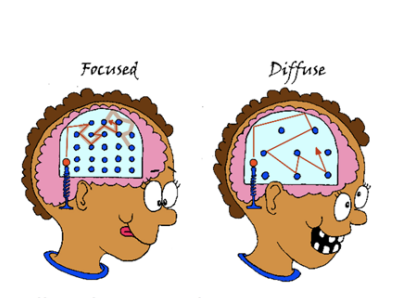
First of all, we need to understand our brain has 2 modes
- focused mode: analytical, intense
- diffuse mode: relaxed
For example, practising LeetCode is an intense activity. Not only do you have to figure out how to solve it, in case you couldn't you have to read through the top votes comments to understand how it works. To me, I do this best when I am in focused mode. This usually happens to me in the morning and at midnight. I will get frustrated more if I try to practice LeetCode during my diffuse mode.
So, understand your brain and try to leverage that!
Spaced and Interleaved practice
Do you know why school mixes up all subjects in one semester rather than teaching one subject in one semester? Because of both spaced and interleaved effects!
Don't finish "Cracking the Coding Interview" in a week, it won't stay in your brain until your interview day. Instead, space out with other types of interviews. Learn the company cultures, design your past project story or fill your time with non-coding technical preparation. To achieve interleaved effects, you can also do LeetCode, watch video and write a priority queue by yourself.
Active learning
This is the biggest reason I help people to practice system design. You should do this with other types of interviews too. I also recommend LeetCode Timer to time yourself during LeetCode or practice behavioural interviews with your peer to switch your brain to active mode.


